
Everything You Need to Know About Digital Marketing in Today’s Connected World
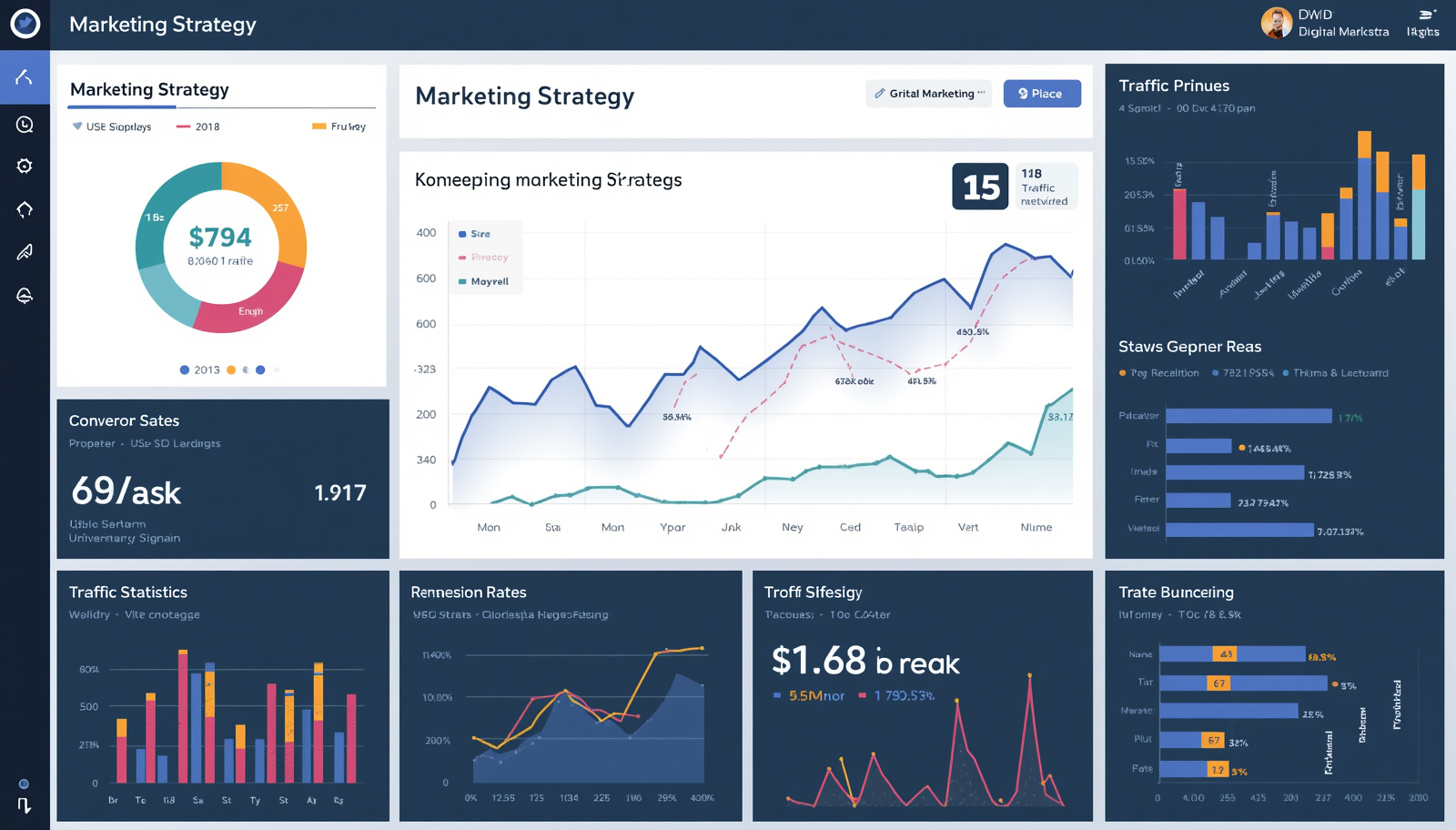
Digital marketing encompasses all online marketing efforts and strategies
In today’s fast-paced digital landscape, businesses can no longer rely solely on traditional marketing methods to reach their target audience. What is Digital marketing has emerged as the cornerstone of modern business strategy, revolutionizing how companies connect with customers, build brand awareness, and drive sales. Whether you’re a small business owner, marketing professional, or entrepreneur, understanding digital marketing is essential for success in the contemporary marketplace.
This comprehensive guide will walk you through everything you need to know about digital marketing, from its fundamental concepts to advanced strategies that can transform your business presence online.
Understanding What is Digital Marketing: The Foundation
Digital marketing, at its core, encompasses all marketing efforts that utilize electronic devices or the internet. It’s the strategic process of promoting products, services, or brands through various digital channels to connect with potential customers where they spend most of their time: online.
Unlike traditional marketing methods such as print advertisements, billboards, or television commercials, digital marketing leverages the power of digital technologies and platforms to reach audiences in more targeted, measurable, and cost-effective ways. The beauty of digital marketing lies in its ability to facilitate two-way communication between brands and consumers, creating opportunities for engagement, feedback, and relationship building that were previously impossible.
The digital marketing ecosystem is vast and constantly evolving. From search engines and social media platforms to email campaigns and mobile applications, businesses have an unprecedented array of tools at their disposal to reach their target audiences. What makes digital marketing particularly powerful is its data-driven nature, which allows marketers to track, analyze, and optimize their campaigns in real-time, ensuring maximum return on investment.
Why is Digital Marketing Important in Today’s Business Environment
📊 Key Statistics:
- Over 5 billion people worldwide use the internet
- Average daily online time: nearly 7 hours
- 75% of users never scroll beyond the first page of search engine results
- ROI from Email Marketing: $42 for every dollar invested
The importance of digital marketing cannot be overstated in our increasingly connected world. Your potential customers are online right now, searching for products, reading reviews, and making purchasing decisions. If your business isn’t visible in the digital space, you’re essentially invisible to a massive segment of your target market.
Digital marketing creates equal opportunities for companies big and small. Small start-ups can compete with established corporations by leveraging smart digital strategies, precise targeting, and creative content. Unlike traditional marketing, which often requires substantial budgets for prime TV slots or billboard placements, digital marketing offers scalable solutions that can fit any budget while delivering measurable results.
Furthermore, digital marketing provides unparalleled opportunities for personalization and customer engagement. Through data analytics and consumer insights, businesses can create highly targeted campaigns that speak directly to their audience’s needs, preferences, and pain points. This level of personalization simply isn’t possible with traditional marketing methods, making digital marketing an indispensable tool for building meaningful customer relationships.
The COVID-19 pandemic accelerated digital transformation across industries, making digital marketing even more critical. Businesses that had robust online presences were better positioned to weather the storm, while those relying primarily on traditional channels struggled. This shift has permanently altered consumer behavior, with more people than ever preferring to research, shop, and interact with brands online.
Social media platforms are essential channels for digital marketing
The Core Components of Digital Marketing
Digital marketing is not a single tactic but rather an integrated ecosystem of various channels and strategies working together to achieve business objectives. Let’s explore the fundamental components that form the backbone of successful digital marketing campaigns.
🔍 Search Engine Optimization (SEO)
Search Engine Optimization (SEO) is the practice of optimizing your website and content to rank higher in search engine results pages, particularly on Google, which commands over 90% of the global search market. When someone searches for a product or service related to your business, you want your website to appear on the first page of results, as studies show that 75% of users never scroll past that first page.
SEO involves both technical and creative elements designed to improve rankings, drive traffic, and increase awareness in search engines. This includes:
- On-page SEO: Optimizing individual web pages with relevant keywords, meta descriptions, and quality content
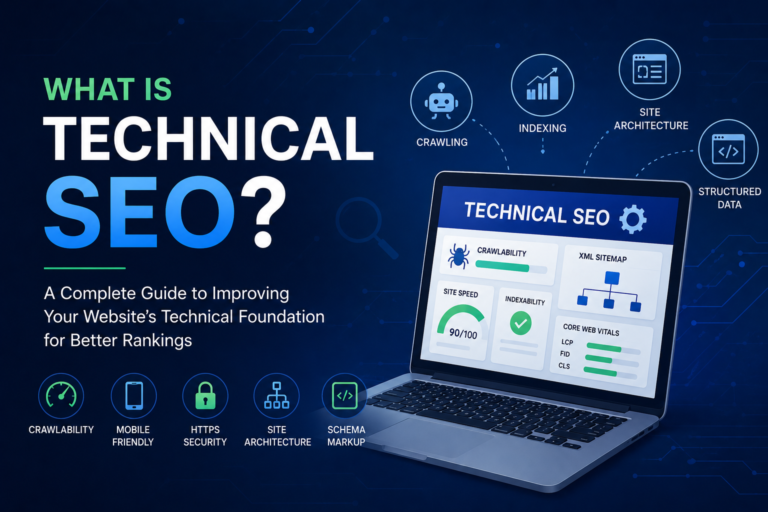
- Technical SEO: Improving site structure, loading speed, mobile responsiveness, and crawlability
- Off-page SEO: Creating authoritative backlinks from credible websites
- Local SEO: Optimizing for location-based searches and Google My Business
The beauty of SEO is that it attracts organic traffic—visitors who find your website naturally through search rather than through paid advertisements. This makes SEO among the most economical digital marketing techniques for sustainable growth. However, it requires patience, consistency, and ongoing effort, as search engine algorithms constantly evolve and competition for top rankings intensifies.
✍️ Content Marketing
Content marketing focuses on creating, publishing, and distributing valuable, relevant, and consistent content to attract and retain a clearly defined audience. Rather than directly promoting products or services, content marketing aims to provide genuine value to potential customers, establishing your brand as a trusted authority in your industry.
This component encompasses various formats including:
- Blog posts and articles
- Videos and vlogs
- Podcasts and audio content
- Infographics and visual content
- Ebooks and whitepapers
- Case studies and success stories
- Webinars and online workshops
Effective content marketing builds trust and credibility over time. When you consistently provide helpful information without asking for anything in return, people begin to view your brand as a reliable resource. This positions you as the natural choice when they’re ready to make a purchase decision. Content marketing also fuels other digital marketing channels, providing material for social media posts, email newsletters, and SEO efforts.
📱 Social Media Marketing
Social media marketing involves using platforms like Facebook, Instagram, Twitter, LinkedIn, TikTok, and Pinterest to promote your brand, engage with your audience, and drive traffic to your website. With billions of active users across these platforms, social media represents an enormous opportunity to connect with potential customers where they’re already spending significant time.
Successful social media marketing goes beyond simply posting promotional content. It requires:
- Understanding each platform’s unique culture and audience
- Creating engaging content tailored to your audience’s preferences
- Fostering genuine conversations and community building
- Responding to comments and messages promptly
- Using platform-specific features (Stories, Reels, Live videos)
- Leveraging user-generated content and influencer partnerships
Social media also offers powerful advertising options that allow you to target specific demographics, interests, and behaviors with remarkable precision. Whether you’re running awareness campaigns, promoting specific products, or retargeting website visitors, social media advertising can deliver impressive results when executed strategically.
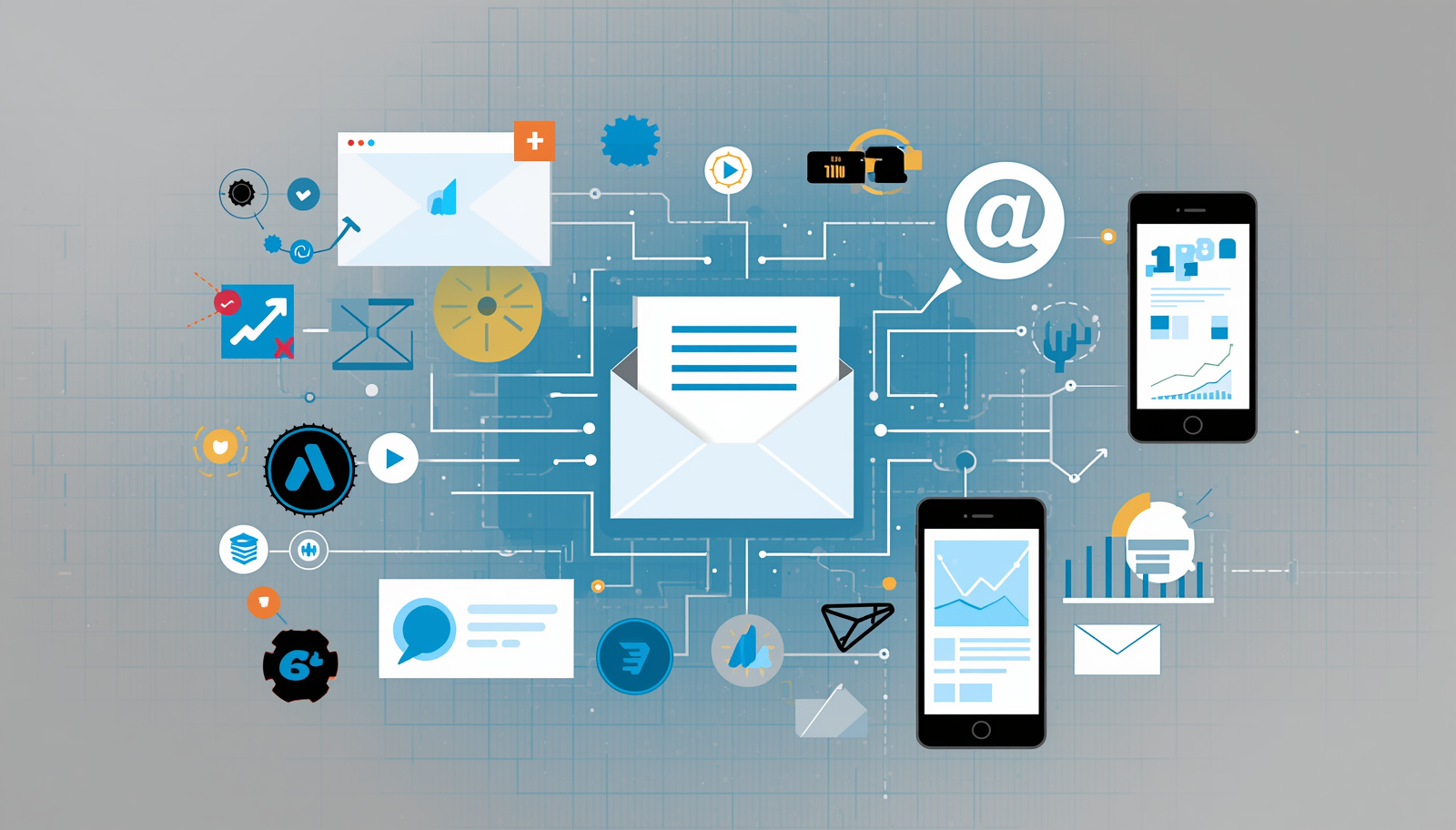
Email marketing remains one of the highest ROI digital marketing channels
📧 Email Marketing
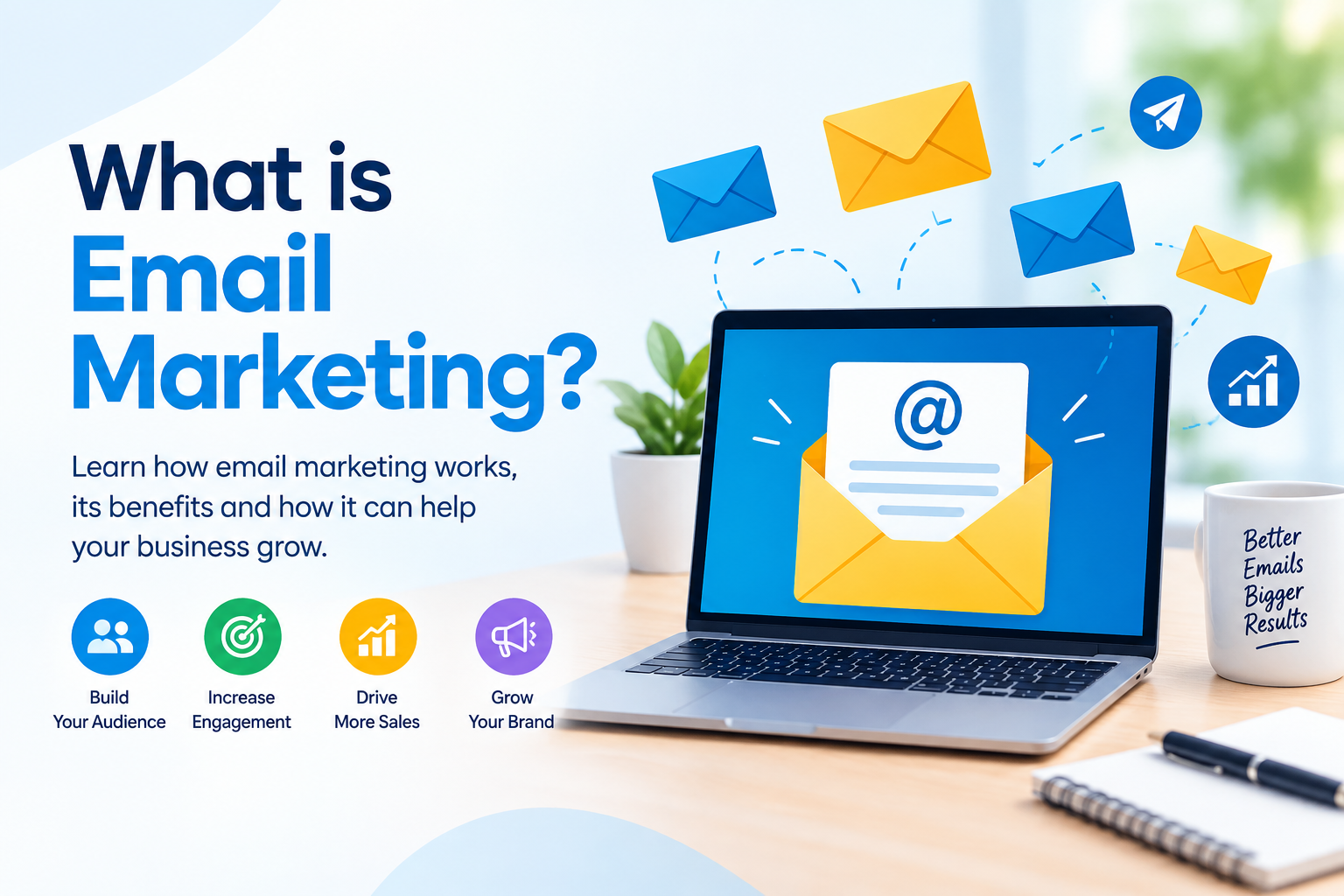
Despite being one of the oldest digital marketing channels, email marketing remains incredibly effective and delivers one of the highest returns on investment. For every dollar spent on email marketing, the average return is approximately $42. This impressive ROI stems from email’s direct, personal nature and its ability to reach people in a space they check regularly.
Email marketing encompasses various types of communications:
- Promotional emails: Announcing sales, new products, or special offers
- Newsletter emails: Sharing valuable content, updates, and industry insights
- Welcome emails: Greeting new subscribers and setting expectations
- Abandoned cart emails: Reminding customers about items left behind
- Personalized recommendations: Based on browsing or/and purchase history
- Re-engagement emails: Winning back inactive subscribers
The key to successful email marketing lies in building a quality email list of engaged subscribers, segmenting your audience to deliver targeted messages, crafting compelling subject lines that encourage opens, creating valuable content that recipients actually want to read, and optimizing for mobile devices where most emails are now opened. Email marketing automation has also revolutionized the channel, allowing businesses to send timely, relevant messages triggered by specific actions or behaviors.
💰 Pay-Per-Click Advertising (PPC)
A Pay-per-click ad is an online advertising strategy that involves paying money whenever a user clicks on your advertisement. This way, you don’t get visits naturally; instead, you buy them The most popular PPC platform is Google Ads, which allows you to bid on keywords so your ads appear in search results when people search for those terms.
PPC advertising offers immediate visibility and traffic, unlike SEO which takes time to build momentum. You can appear at the top of search results for competitive keywords within hours of launching a campaign. This makes PPC ideal for:
- Time-sensitive promotions and seasonal campaigns
- New product launches requiring instant visibility
- Testing market demand for new offerings
- Complementing SEO efforts for competitive keywords
- Retargeting website visitors who didn’t convert
Beyond search advertising, PPC includes display advertising with visual banners across websites, shopping ads showcasing products with images and prices, video ads on platforms like YouTube, and remarketing campaigns that target people who have previously visited your website. Successful PPC requires continuous optimization, including keyword research, ad copy testing, landing page improvements, and bid management to maximize return on ad spend.
🤝 Affiliate Marketing
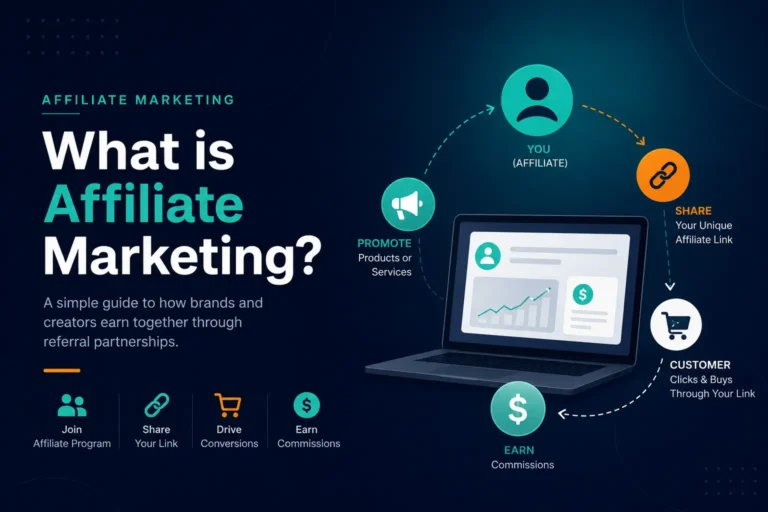
Affiliate marketing can be defined as a performance-based marketing approach where businesses compensate affiliates for bringing traffic or making sales to their websites. Affiliates—which can be bloggers, influencers, content creators, or other businesses—promote products or services to their audiences and earn a commission for each sale or action generated.
This creates a win-win situation: businesses expand their reach without upfront advertising costs, paying only for actual results, while affiliates monetize their platforms and audiences. Major companies like Amazon, eBay, and countless others run successful affiliate programs, making affiliate marketing a multi-billion dollar industry that continues to grow year over year.
👥 Influencer Marketing
Influencer marketing leverages individuals with substantial social media followings and credibility within specific niches to promote products or services. These influencers have built trust with their audiences, and their recommendations carry significant weight, often driving higher engagement and conversion rates than traditional advertising.
Influencer marketing spans various tiers, from mega-influencers with millions of followers to micro-influencers with smaller but highly engaged audiences in specific niches. Interestingly, micro-influencers often deliver better ROI due to their authentic connections with followers and higher engagement rates. The key is finding influencers whose audience aligns with your target market and whose values align with your brand.
📱 Mobile Marketing
With over half of all web traffic now coming from mobile devices, mobile marketing has become essential rather than optional. This component encompasses all marketing activities designed for mobile devices, including:
- Mobile-optimized websites and responsive design
- Mobile applications and in-app advertising
- SMS marketing and text message campaigns
- Push notifications for app engagement
- Location-based marketing and geo-targeting
- Mobile-specific ad formats and vertical video
Mobile marketing requires a mobile-first mindset, ensuring websites load quickly on smartphones, forms are easy to complete on small screens, and content is consumable in short bursts during on-the-go moments. The intimate, personal nature of mobile devices also creates unique opportunities for personalized, timely marketing messages that reach people throughout their day.
The Transformative Benefits of Digital Marketing
Understanding what digital marketing is only scratches the surface. To truly appreciate its value, we must examine the tangible benefits it delivers to businesses across industries and sizes.
🌍 Global Reach with Local Precision
Digital marketing eliminates geographical boundaries, allowing even small local businesses to reach international audiences. Simultaneously, it enables precise local targeting, ensuring your message reaches people in specific cities, neighborhoods, or even within a certain radius of your physical location. This dual capability—global reach with local precision—was impossible with traditional marketing methods.
💵 Cost-Effectiveness and Measurable ROI
Digital marketing provides accessible entry points for businesses with limited budgets while offering scalable options as you grow. More importantly, every dollar spent can be tracked, measured, and optimized. You can see exactly how many people viewed your ad, clicked through to your website, and completed a purchase. This level of accountability and transparency is revolutionary, allowing you to continuously refine your strategies based on hard data rather than guesswork.
💬 Enhanced Customer Engagement and Relationships
Digital channels facilitate two-way communication, transforming marketing from a one-directional broadcast into an ongoing conversation. Customers can ask questions, leave reviews, share content, and engage with your brand in real-time. This engagement builds stronger relationships, increases brand loyalty, and provides valuable insights into customer preferences and concerns.
🎯 Precise Targeting and Personalization
Digital marketing allows you to target audiences with laser precision based on demographics, interests, behaviors, past purchases, and countless other factors. You can show different messages to different segments, personalizing the customer experience at scale. This targeted approach reduces waste, improves conversion rates, and makes your marketing significantly more effective.
⚡ Real-Time Results and Agility
Unlike traditional marketing where you might wait weeks to see results, digital marketing provides real-time data and analytics. If a campaign isn’t performing well, you can adjust it immediately. If something is working exceptionally well, you can scale it up instantly. This agility allows you to respond to market changes, competitor actions, and customer feedback with unprecedented speed.
Getting Started with Digital Marketing: A Strategic Approach
Embarking on your digital marketing journey can feel overwhelming given the vast array of channels and strategies available. However, success begins with a strategic, methodical approach rather than trying to do everything at once.
Step 1: Define Clear Goals and Objectives
First, determine your objectives. Common digital marketing goals include:
- Increasing brand awareness and visibility
- Generating qualified leads for your sales team
- Driving online sales and e-commerce revenue
- Building customer loyalty and retention
- Establishing thought leadership in your industry
- Growing email subscriber lists or social media followers
Make sure your goals are SMART – that is, Specific, Measurable, Achievable, Relevant, and Time-bound. Instead of “increase website traffic,” aim for “increase organic website traffic by 30% within six months.”
Step 2: Understand Your Target Audience Deeply
Successful digital marketing begins with thorough audience understanding. Research and document:
- Demographics: Age, gender, location, income, education
- Psychographics: Interests, values, lifestyle, personality
- Pain points: Problems they’re trying to solve
- Online behaviors: Platforms they use, content they consume
- Buying journey: How they research and make decisions
Create detailed buyer personas that guide your content creation, channel selection, and messaging strategies. These semi-fictional representations of your ideal customers should feel like real people you can market to effectively.
Step 3: Build a Strong Digital Foundation
Your website serves as your digital headquarters—the destination where most marketing efforts ultimately drive traffic. Ensure your website is:
- Professional and visually appealing
- Mobile-responsive and fast-loading
- Easy to navigate with clear calls-to-action
- Optimized for conversions (sales, leads, signups)
- Equipped with analytics tools (Google Analytics, etc.)
- Secure with SSL certification (HTTPS)
Implement analytics tools from day one to track visitor behavior and campaign performance. Improvement cannot be made where there is no measurement.
Step 4: Start with Core Channels
Rather than spreading yourself thin across every possible channel, focus initially on the channels most likely to reach your target audience effectively. For most businesses, this means starting with:
- SEO and content marketing: Building your organic presence
- One or two social platforms: Where your audience is most active
- Email marketing: Establishing your email list
Master these fundamentals before expanding to additional channels like PPC, influencer partnerships, or emerging platforms.
Step 5: Create Valuable, Consistent Content
Content fuels digital marketing. Develop a content calendar and commit to consistently creating valuable content that serves your audience’s needs. Remember:
- Quality trumps quantity—better one excellent piece weekly than mediocre content daily
- Focus on solving problems and answering questions
- Provide genuine value rather than constantly promoting products
- Diversify content formats (articles, videos, infographics, podcasts)
- Repurpose content across multiple channels
Step 6: Measure, Analyze, and Optimize
Digital marketing’s greatest advantage is its measurability. Keep analyzing your analytics to learn what works and what doesn’t work. Analyze key metrics based on your goals:
- Website traffic: Sessions, users, page views
- Conversion rates: Percentage of visitors taking desired actions
- Engagement metrics: Time on site, bounce rate, social interactions
- Email performance: Open rates, click-through rates, unsubscribes
- Return on investment: Revenue generated vs. marketing spend
Use these insights to continuously refine your strategies, doubling down on what works and adjusting what doesn’t. Digital marketing is iterative—expect to test, learn, and evolve constantly.
Common Challenges and How to Overcome Them
While digital marketing offers tremendous opportunities, it’s not without challenges. Understanding these obstacles helps you prepare and develop strategies to overcome them.
⚠️ Information Overload and Analysis Paralysis
The sheer volume of digital marketing information, tools, and strategies can be overwhelming, leading to analysis paralysis where you’re unable to take action.
Solution: Focus on fundamentals first, learn one channel thoroughly before adding others, and remember that imperfect action beats perfect planning. Start small and build momentum.
🔄 Constantly Changing Landscape
Digital marketing evolves rapidly, with platforms updating algorithms, new channels emerging, and best practices shifting.
Solution: Stay current by following industry leaders, participating in marketing communities, investing in ongoing education, and remaining flexible in your approach. View change as opportunity rather than obstacle.
✍️ Generating Consistent Quality Content
Creating valuable content consistently challenges many businesses, especially with limited resources.
Solution: Develop content systems and workflows, repurpose content across channels, curate relevant third-party content, involve team members in content creation, and understand that consistency matters more than perfection.
🎯 Standing Out in a Crowded Digital Space
With millions of businesses competing for attention online, differentiation is crucial but challenging.
Solution: Define your unique value proposition clearly, develop a distinctive brand voice, focus on serving a specific niche exceptionally well, and prioritize building genuine relationships over chasing vanity metrics. Authenticity and consistency help you cut through the noise.
The Future of Digital Marketing: Emerging Trends
Digital marketing continues evolving at a rapid pace, with several emerging trends shaping its future trajectory.
🤖 Artificial Intelligence and Machine Learning
AI is revolutionizing digital marketing through:
- Chatbots: Providing instant, 24/7 customer service
- Predictive analytics: Forecasting customer behavior and trends
- Personalization engines: Delivering individualized experiences at scale
- Content generation: Assisting with creation and optimization
- Ad optimization: Automatically adjusting bids and targeting
As AI technology advances, it will increasingly handle routine tasks, allowing marketers to focus on strategy, creativity, and human connection.
🎙️ Voice Search and Smart Speakers
With millions of smart speakers in homes and voice assistants on smartphones, voice search is changing how people find information online. This requires:
- Optimizing for conversational, question-based queries
- Providing concise, direct answers to common questions
- Focusing on local SEO (many voice queries have local intent)
- Creating content that matches natural speech patterns
🎥 Video Content Dominance
Video content consumption continues growing exponentially:
- Short-form video platforms (TikTok, Instagram Reels, YouTube Shorts) experiencing explosive growth
- Live streaming creating authentic, real-time connections
- Interactive video allowing viewers to engage and choose their path
- Personalized video content addressing viewers by name
Businesses that haven’t embraced video marketing need to make it a priority.
🔒 Privacy and Data Protection
Increasing privacy regulations and the phasing out of third-party cookies are forcing digital marketers to adapt:
- Shift toward first-party data collection strategies
- Permission-based marketing with clear opt-ins
- Transparency in how customer data is used
- Building direct customer relationships
- Context-based targeting replacing behavioral tracking
Privacy-conscious marketing that respects customer data will be essential for long-term success and brand trust.

The future of digital marketing is driven by AI, personalization, and customer-centric strategies
Conclusion: Embracing the Digital Marketing Journey
Digital marketing represents one of the most powerful tools available to modern businesses for reaching customers, building brands, and driving growth. While the landscape may seem complex and constantly evolving, the fundamentals remain consistent: understand your audience, provide genuine value, leverage data to make informed decisions, and maintain authentic, consistent communication.
Success in digital marketing doesn’t require mastering every channel immediately. Start with a solid foundation, focus on channels that align with your audience and goals, commit to continuous learning and improvement, and remain patient as you build momentum. Remember that digital marketing is a marathon, not a sprint—consistent effort over time yields the most impressive results.
The businesses that thrive in today’s digital landscape are those that embrace change, prioritize customer needs, and view digital marketing not as a separate department but as an integral part of their overall business strategy. Whether you’re just beginning your digital marketing journey or looking to enhance your existing efforts, the opportunities are limitless for those willing to invest the time and effort required.
As technology continues advancing and consumer behaviors evolve, digital marketing will undoubtedly transform in ways we can’t yet imagine. However, the core principle will remain unchanged: businesses that use digital channels to genuinely connect with, serve, and provide value to their customers will always find success.
Ready to Start Your Digital Marketing Journey?
The question isn’t whether you should embrace digital marketing—it’s how quickly you can begin leveraging its power to transform your business.
Start today. Start small if necessary. But start.
Your future customers are online right now, waiting to discover businesses like yours that can solve their problems and meet their needs. Digital marketing is your bridge to reaching them, engaging them, and building relationships that drive sustainable business growth for years to come.
The digital revolution has fundamentally changed how businesses market themselves. Those who adapt and embrace these changes position themselves for success. Those who resist risk becoming irrelevant. The choice is yours—but the time to act is now.
Key Takeaways:
- Digital marketing encompasses all online marketing efforts using digital channels
- Core components include SEO, content marketing, social media, email, PPC, and more
- Benefits include global reach, cost-effectiveness, measurability, and precise targeting
- Start with clear goals, understand your audience, and focus on foundational channels
- Consistency, value creation, and data-driven optimization are keys to success
- The future includes AI, voice search, video dominance, and privacy-first strategies
- Digital marketing is essential for business success in the modern marketplace
Check our Web Designing Services.